

8 min.
8.6.2026
From recipes to less food waste: Why Rema 1000 is switching to 2D barcodes
Text:
Toke Mølgaard
Photo:
Zakariaa El Mikdam / Shutterstock.com
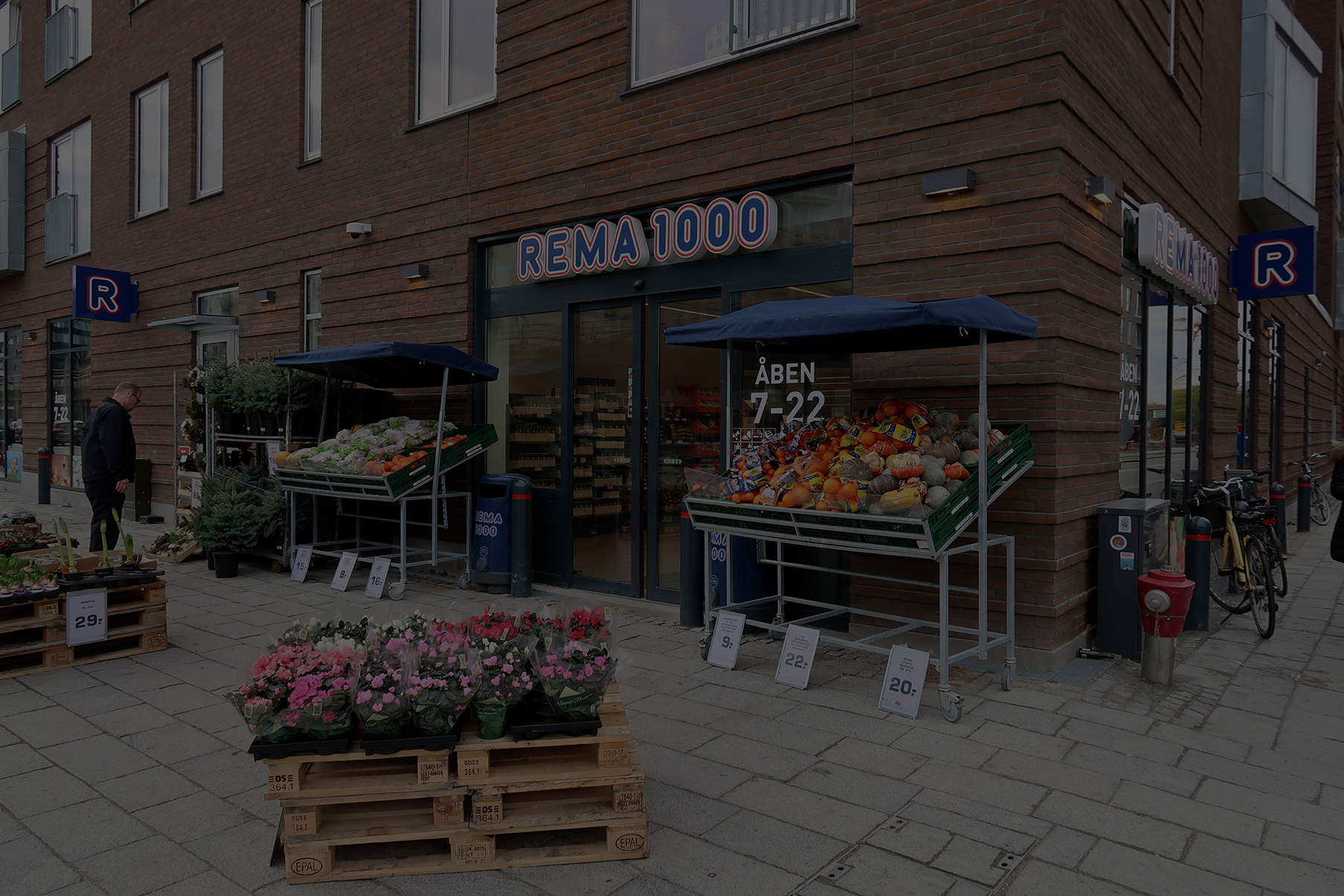
At Rema 1000, work on 2D barcodes is already underway. The company views this technology not merely as a new type of barcode, but as a tool that can create value across stores, the supply chain, and the customer experience.
For Charlotte Vig Kiær, who works with master data at Rema 1000, the potential is particularly evident in the areas of food waste and traceability.


At first glance, there's nothing wrong with 2D barcodes. Only incredibly good things
Focus on food waste and better management
One of the areas where Rema 1000 expects to create the most value is its efforts to reduce food waste.
Using 2D barcodes makes it possible to manage batch numbers and expiration dates more accurately. This can provide a better overview of inventory in both warehouses and stores—and make it easier to respond in a timely manner.
“If we get much better at working with the products, I truly believe there’s a huge amount to be gained,” says Charlotte Vig Kiær.
At the same time, she points out that more accurate data could also play a role in product recalls, where products could potentially be tracked and managed in a much more targeted manner in the future than they are today.
2D can create value for both stores and customers
At Rema 1000, working with 2D isn’t just about internal processes. The technology also opens up new opportunities when interacting with customers.
Among other things, Rema 1000 focuses on recipes, product information, and storytelling related to its own products and brands. Here, 2D barcodes can help link the physical product to digital information.
“We enjoy sharing the inspiring stories behind the products we bring to market,” says Charlotte Vig Kiær.
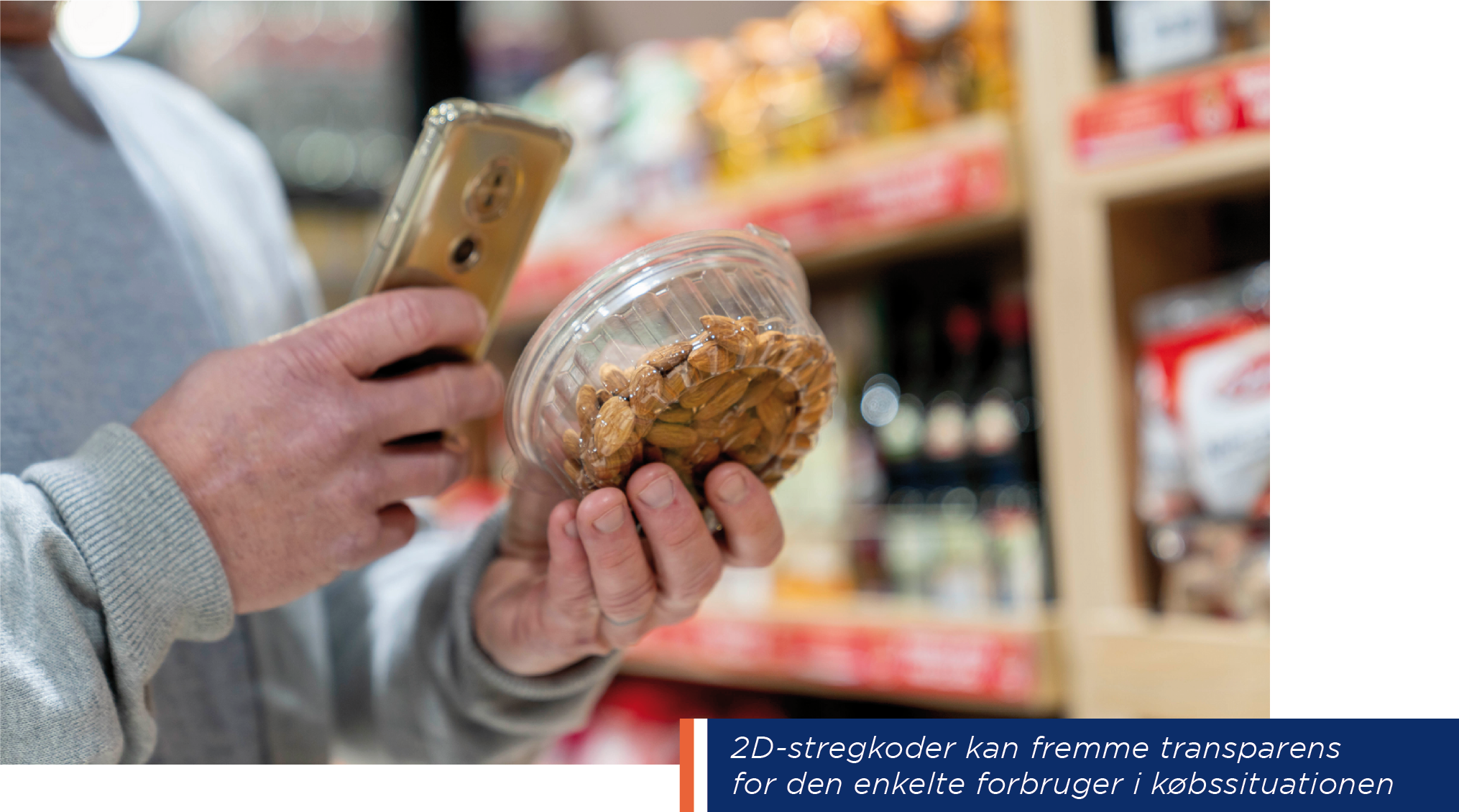
For example, scanning a QR code can direct the customer to recipes, product information, or stories about ingredients and production.
One of the areas where Rema 1000 expects to create the most value is its efforts to reduce food waste.
Using 2D barcodes makes it possible to manage batch numbers and expiration dates more accurately. This can provide a better overview of inventory in both warehouses and stores—and make it easier to respond in a timely manner.
“If we get much better at working with the products, I truly believe there’s a huge amount to be gained,” says Charlotte Vig Kiær.
At the same time, she points out that more accurate data could also play a role in product recalls, where products could potentially be tracked and managed in a much more targeted manner in the future than they are today.
2D can create value for both stores and customers
At Rema 1000, working with 2D isn’t just about internal processes. The technology also opens up new opportunities when interacting with customers.
Among other things, Rema 1000 focuses on recipes, product information, and storytelling related to its own products and brands. Here, 2D barcodes can help link the physical product to digital information.
“We enjoy sharing the inspiring stories behind the products we bring to market,” says Charlotte Vig Kiær.
For example, scanning a QR code can direct the customer to recipes, product information, or stories about ingredients and production.
Starting small
Although the possibilities are vast, Rema 1000’s approach is pragmatic. The focus is on starting with specific products and gaining experience along the way.
“I think it’s about starting small. It doesn’t have to revolutionize the world all at once,” says Charlotte Vig Kiær.
That is why the company is working to identify areas where technology can quickly create value—both operationally and for customers.
Legislation is driving progress forward
According to Charlotte Vig Kiær, upcoming legislation will also be a key driver of this development.
Several new EU initiatives are imposing stricter requirements on product data, traceability, and information on packaging. Rema 1000 expects 2D barcodes to play a key role in this regard.
“All of a sudden, there’s supposed to be a lot of information on the packaging. It’s simply not possible to fit everything on there,” she explains.
That is precisely why many companies view 2D barcodes as a practical way to link products to digital information and meet future requirements, such as digital product passports.
A technology with many possibilities
For Rema 1000, work on 2D barcodes is still in the early stages, but the goal is clear: to generate better data, reduce waste, and create more value—for both stores and customers.
“We can’t have it all at once. But it’s going to be great,” says Charlotte Vig Kiær.